


Captioning “The Tuba Thieves”
I wrote and directed “The Tuba Thieves”, which premiered at Sundance in 2023 and has screened at many other festivals including MOMA Doc Fortnight, CPH DOX, IDFA, SFFILM. “The Tuba Thieves” had a limited theatrical run at BAM, Laemmle Theaters, Los Angeles, Gene Siskel Film Center, Chicago, the Walker Museum, Minneapolis and others. The film was broadcast on PBS’ Independent Lens and Arte, France in 2024.
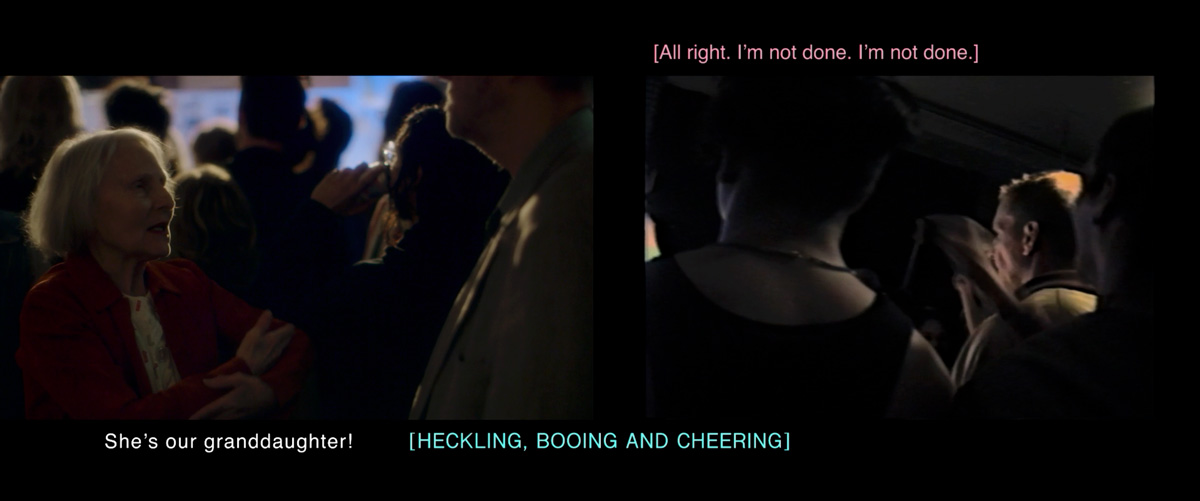
In The Tuba Thieves, open captions play a prominent role. (Open captions are burned into the film, as opposed to closed captions which allow viewers to choose whether they are present.) I consider the captions of The Tuba Thieves a third narrative space equal to the sound and image. Reviews of the film often spoke highly of the poetics of the captioning, and the film was regarded as paving a way forward for their artistry and impact and importance within the narrative. However, there was a technical aspect to them that impacted and colored my experience. During festivals and global screenings, which should have been (and often was) one of the most wonderful and exciting periods in the life of this project, I was also disturbed by a relentlessly consistent ableism that accompanied the film’s release and journey. We were often confronted by a ‘disability tax’ that disabled people frequently must pay when advocating for accommodations or breaking new ground. When we attended Sundance, for example, though we worked with the festival’s remarkable and uncommon team of accessibility coordinators, many of whom had disabilities and were personally empathetic and extremely helpful, we ran into major financial and logistical roadblocks for having interpreters outside of specific time frames. This meant that our dDeaf actors and crew who attended would only be able to celebrate and participate in fractions of the festival, i.e. mostly panels and Q&A’s, many of which might be after a film that didn’t even have accessible captions, and which we needed to request interpreters for ahead of time. This denied us spontaneity and choice in following the whims and word of mouth invites that often arise in a festival and can lead to scoring a deal or making a friend or new business partner. We ended up bringing our own interpreter for flexibility, but at significant financial cost to our team. While non-disabled participants and teams were able to put their entire focus on the marketing game of the festival to raise the profile of their films and try to reach distribution deals, much of our time was spent coordinating basic access and explaining our needs. Sundance is one of the loudest festivals supporting accessibility, but it’s in a notoriously inaccessible location (though hopefully this will change with the move to Boulder) so the contradictions were constant and set the tone for what I would experience for the following years in the distribution phase of the film. We still had an amazing time and experience at Sundance.
On my personal website, I have a page titled “HOW TO CAPTION” https://alisonodaniel.com/HOW-TO-CAPTION with instructions guiding filmmakers or access providers with some tips for how to translate filmic sound into evocative captions. I’ve developed a philosophy for how to caption, based mostly on a lifetime of feeling that captions –when available— could be and do more. Many often feel partial or incomplete and/or are confusing and unclear. This creates the impression that dDeaf viewers are dismissible. The very worst captions censor. dDeaf people can handle swearing, and we deserve better.
My instructions include directions such as “CONSIDER YOUR CAPTIONS AN INTERPRETATION OF MOOD IN SOUND DESIGN. / DON’T BE BORING IF THE SOUND IS EXCITING. / DON’T DESCRIBE WHAT WE CAN ALREADY SEE.” I hope the takeaway from my instructions is a consideration of the role and value of the dDeaf viewer in cinematic sound. I believe deeply that dDeaf peoples’ relationship to sound is paramount to and could and should be a guide to everyone else’s relationship to sound because alongside musicians, our consideration of the sonic world requires a depth of attention and an ingenuity as we name and navigate it.
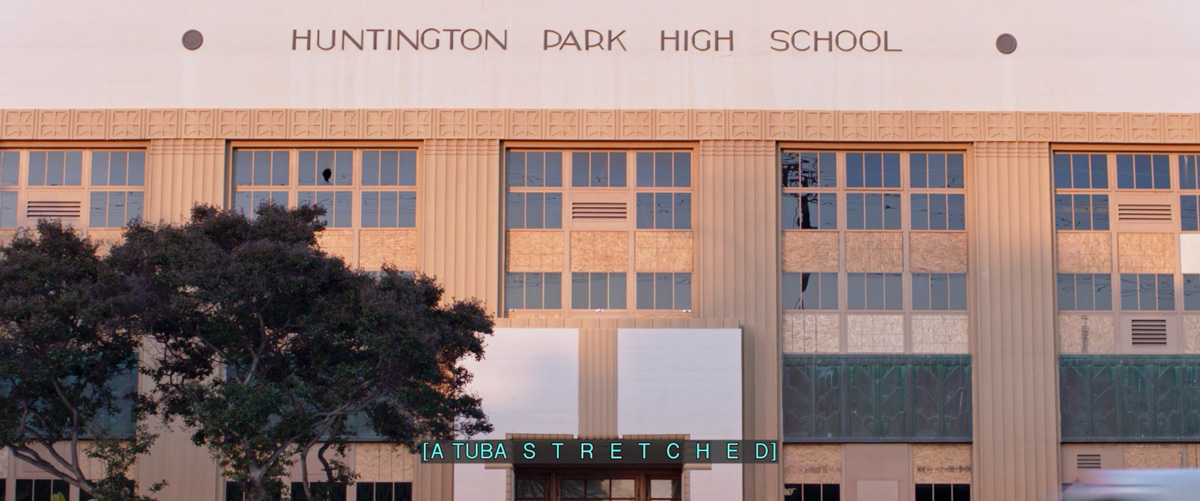
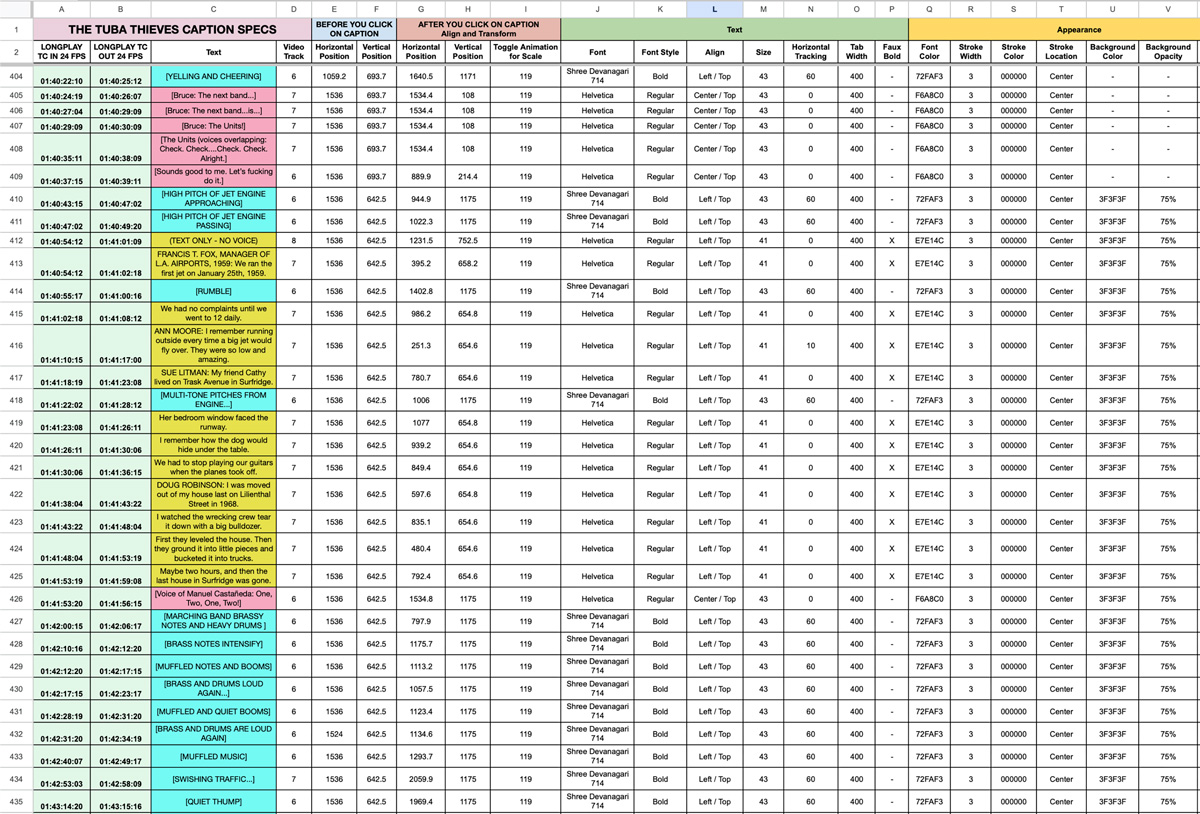
Ironically, in the final stages of post-production, as the captions were still being added to The Tuba Thieves, and in the early days of our festival run, I began to recognize what would become the most enduring ‘disability tax’. For many international festivals that we were invited to screen in, the problem of language translation became a heavy, time-consuming and expensive lift for us. The Tuba Thieves has 837 captions. I made these as individual text files in the film, because Adobe Premiere’s caption tool didn’t allow for multiple captions on the screen at once. In The Tuba Thieves, captions appear in various places on screen at the same time, sometimes contain extra spaces and appear stretched out, fade up or down (i.e. have basic animation), and even once in the film appear upside down.

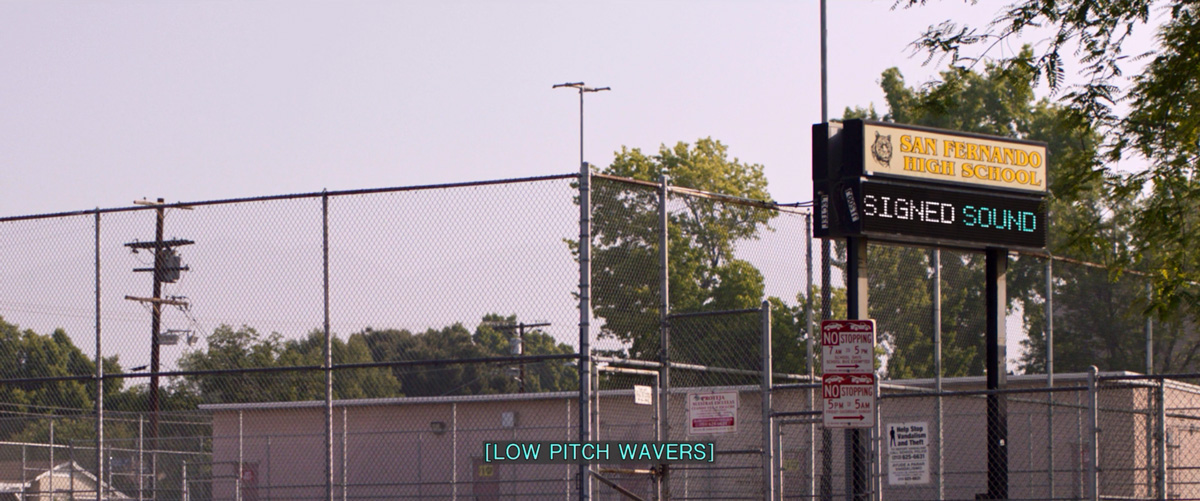
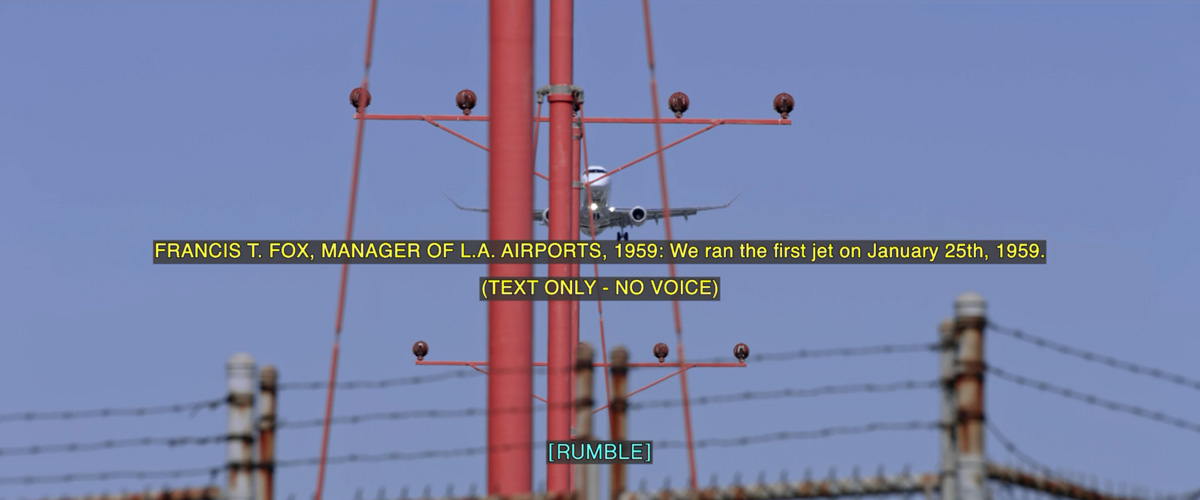
The captions are divided into five colors – each meant to categorize different forms of communication, which is subtly explained on a school marquee digital ticker tape early in the film: White captions translated American Sign Language, Blue captions describe sounds, Pink captions notate spoken language, Yellow captions are soundless essayist text and titles, and Red is used once in the film for time.
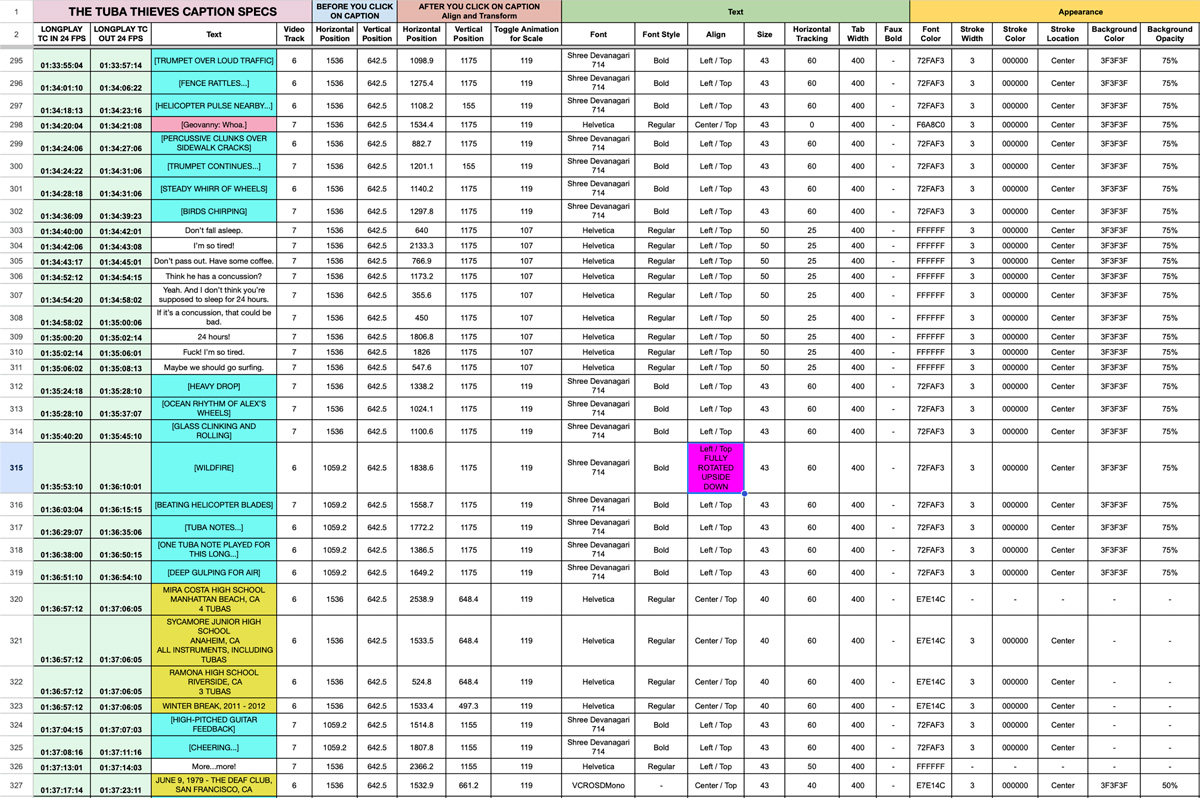
In order to maintain the aesthetic assets of the captions, I created a spreadsheet with all of the technical specifications, so that the captions could be visually replicated during translation.
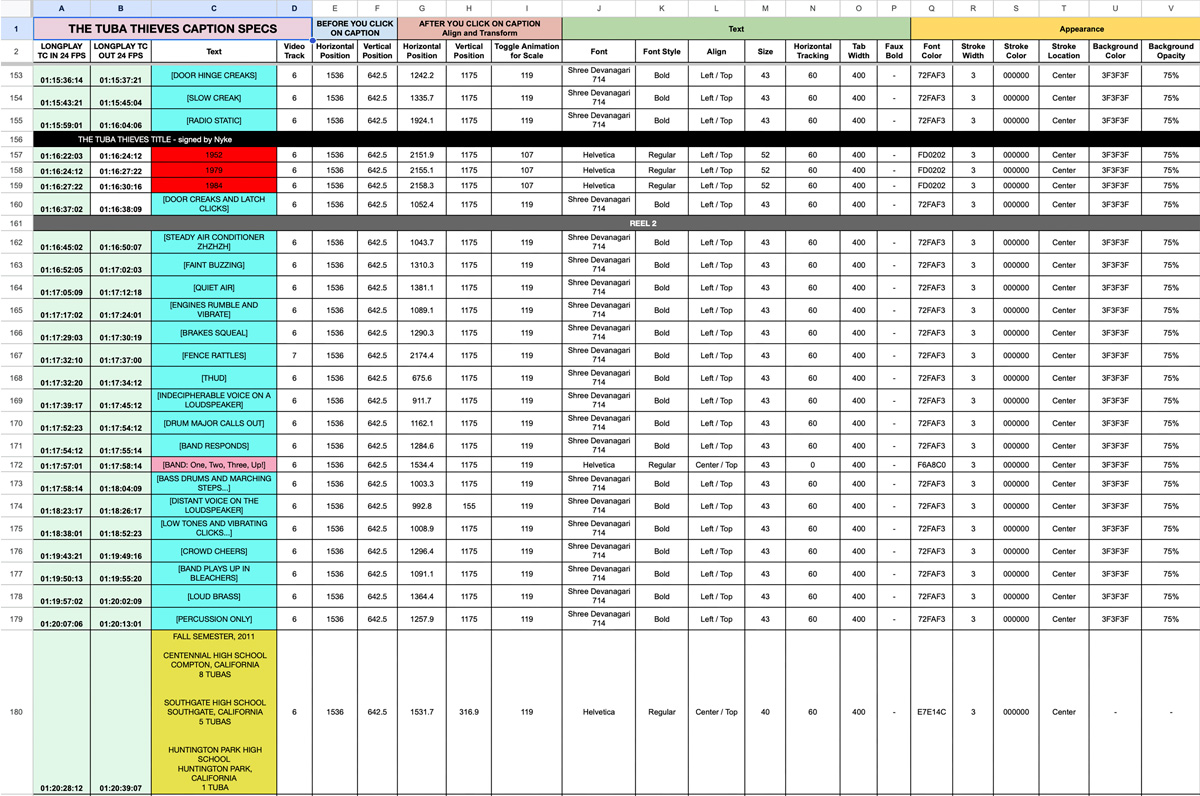
In the following three film stills, the main character Nyke Prince signs the title of the film and the caption doubles forward and backward to emphasize the spatiality of Sign Language. In the spreadsheet above, this is on line 156. In almost all of the translations, this English caption was left as is, with the title appearing in the local language below it.
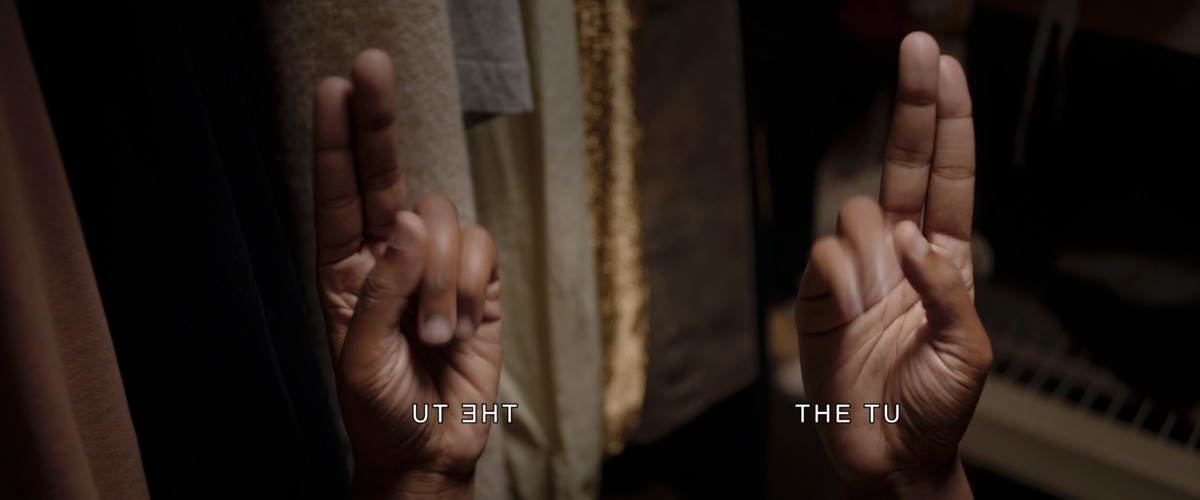

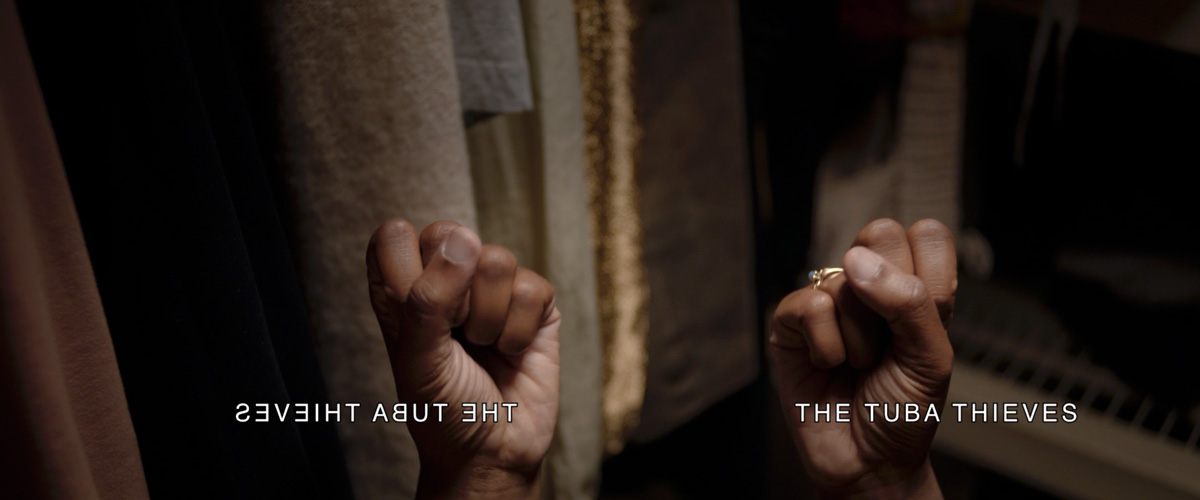
Some countries have national rules that contradict choices I made. When the film screened on Arte in France and Germany for example, we had to follow their rules, which changed some of the conceptual dynamics of what I had designed in The Tuba Thieves. In France, white text is used when the speaker is visible (even partially) on the screen. Yellow text communicates a speaker who is off-camera and not visible or for voice-overs. Red indicates sound effects that are not seen on the screen and an asterisk that matches the color of the caption is used for all sounds coming from a loudspeaker, radio, television, telephone, etc. This is just to name a few of the French caption regulations. While this was cumbersome to navigate, I loved learning each country’s considerations of their dDeaf communities. In the U.S., it feels a bit like the wild west. Still, navigating these rules and making the changes were either time consuming or a bit nerve wracking as I handed them off to someone unknown to me to hopefully rigorously match what we had.
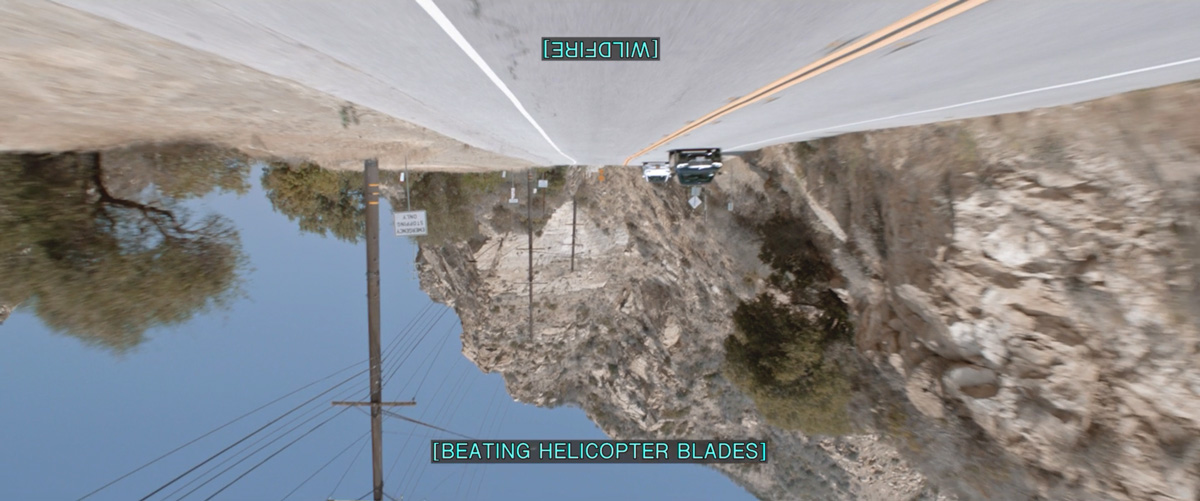
Another complicated caption in The Tuba Thieves is a moment when the screen appears inverted. Cars drive out of a tunnel and down a long mountainous road, but the sky is below and the road above. The sounds of a wildfire crackling and rumbling helicopter blades are captioned at the bottom and the top of the frame. [WILDFIRE] aligns with the image upside down. I am not sure if this has correctly been included in translations that have screened in other countries. I haven’t seen all of them, and it feels a bit out of my control as an independent low-budget filmmaker.
One of the last stages of post-production is creating an SRT (sub rip subtitle) file. These contain the information for the subtitles you see in foreign films and for closed captions. There are other formats that can be used as well, but SRT files are the most common global industry-wide standard used. They are basic text files that hold the language content and the timecode so that they play at the correct moment. Historically, these files have been created by professional companies. As more disabled filmmakers and festival-goers demand festivals be accessible, festivals require filmmakers to provide closed captions for their films. Many filmmakers bristle at this for various reasons, one being a lack of direction for how to make them or get them made. In 1979, the NCI (National Captioning Institute) was the first company that created captions for live television broadcast in the United States. Still today the NCI says they create automated, real-time, and pre-recorded captions on their website, as well as audio description for low vision and blind people and services for the web as well. (I sent a request for a quote for pricing to create 837 captions in March, 2025 and as of December, 2025 never received a reply.) There are other companies and a small handful of freelance captionists out there, but I also get a lot of emails from filmmakers desperately trying to figure out what to do when a festival is requiring them to provide captions. This is often under an incredibly unrealistic deadline. I hate to assume this will result in poor captions, but captioning a feature length film has taken me at minimum one month to half a year to do.
In early 2025, I was an artist in residence at UCLA co-hosted by the Social Software studio and the Heumann Disability Studies Lab. I was working with coders and artists Lauren Lee McCarthy and, Stalgia Grigg to develop a new file standard for captioning. The software called OPENING CAPTIONS will create a new file standard (.aod) that will contain more complex styling and visual information that ultimately benefits dDeaf audiences and removes this disability tax for filmmakers who are working creatively and expansively with captioning. The file will hold many assets including animations, various color choices, background information, fonts, size options and position variation. The software will also enable language translations and broadcast requirements that vary country to country. We plan to make this into an industry wide standard like an SRT file. This is a subtle, but powerful vision of accessibility for dDeaf audiences and all filmmakers, as well as festivals, broadcasters and other media organizations. The labyrinthian process to provide accessibility feels like something that should have gone away decades ago. But here we are now, and hopefully won’t be for long.
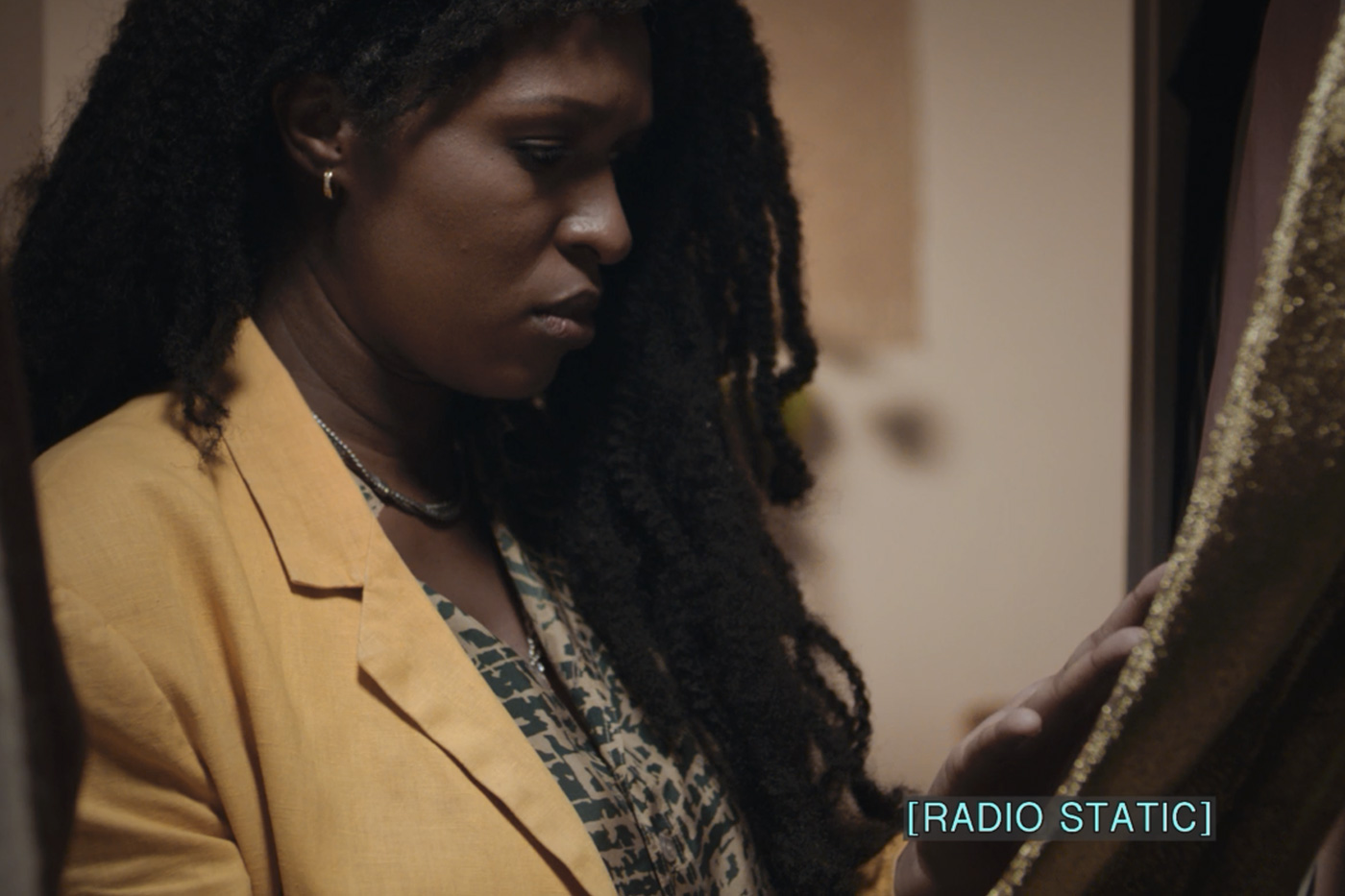
Main image
Still from “The Tuba Thieves”
Image description
A video still, depicting a person with dark skin and long, dark, curly hair that flows over their shoulders. They wear a yellow blazer, a black and brown patterned shirt, a necklace, and earrings. They are depicted in a three-quarter view, as they face towards the right of the image, gazing downwards towards the palm of their outstretched hand. In the bottom right corner is a caption, written in light blue text on a gray background, which reads “[RADIO STATIC].” A wall and the side of a doorway are visible behind them, though the background is blurry and details are not visible.